Generative AI using Python
Description
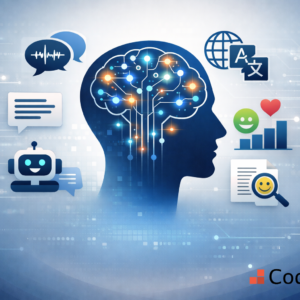
This course introduces the concepts and practical implementation of generative AI models using Python. Participants gain hands-on experience building and deploying models that create text, images, or other media, leveraging state-of-the-art libraries.
Indicative Duration: 36 training hours
*Duration is adjusted based on the final scope and the target audience.
Scope
|
1. Introduction
|
|
|
|
||
|
2. Discriminative ML
|
|
|
|
||
|
||
|
3. Generative AI
|
|
|
|
||
|
||
|
||
Learning Objectives
Upon completion of the course participants will be able to:
- Understand the fundamental architectures behind generative AI, including GANs, VAEs, and transformers.
- Use Python libraries such as TensorFlow, PyTorch, and Hugging Face Transformers to build generative models.
- Train and fine-tune generative models for tasks like text generation, image synthesis, and audio production.
- Evaluate model outputs and optimize for quality and diversity.
- Integrate generative AI models into applications and workflows effectively.
Target Audience
- Roles: Aspiring AI Engineers, Data Scientists, ML Developers, and Technical Researchers
- Seniority Level: Intermediate to advanced professionals or graduate-level learners seeking hands-on expertise in generative AI
Prerequisite Knowledge
- Working knowledge of Python programming
- Basic understanding of machine learning principles and data structures
- Prior exposure to ML frameworks (TensorFlow or PyTorch) is beneficial but not required
Delivery Method
Sessions can be delivered via the following formats:
- Live Online – Interactive virtual sessions via video conferencing
- On-Site – At your organization’s premises
- In-Person – At Code.Hub’s training center
- Hybrid – A combination of online and in-person sessions
The training methodology combines presentations, live demonstrations, hands-on exercises and interactive discussions to ensure participants actively practice AI in realistic work scenarios.